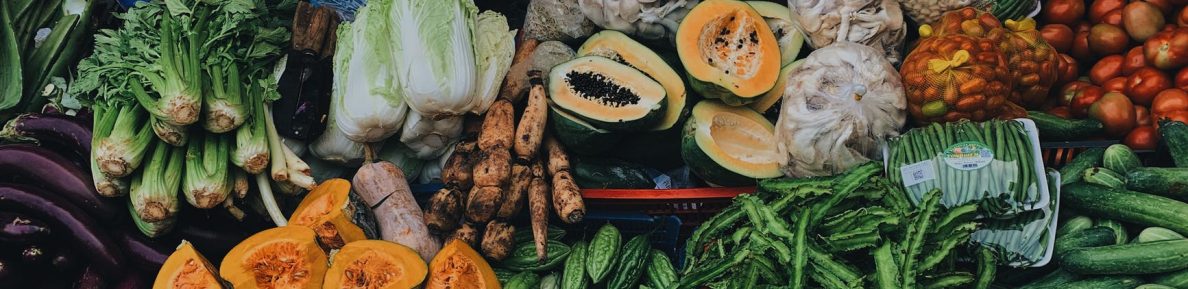
Carbohydrates have gotten a bad wrap over the past few decades; with the popularity of the Atkins diet, Keto, increasing rates of overweight, obesity, and diabetes, everyone wants to avoid “carbs”.
Indeed, it is wise to avoid all simple carbohydrates. However, glucose is the only source of energy for the brain and so essential for life that the human liver is capable of making enough to supply the brain with energy in a process called gluconeogenesis.
What we have now is a language and education problem. The human body needs complex carbohydrates with the slow release of energy in the form of glucose into the bloodstream for optimal performance of both muscle and mind.
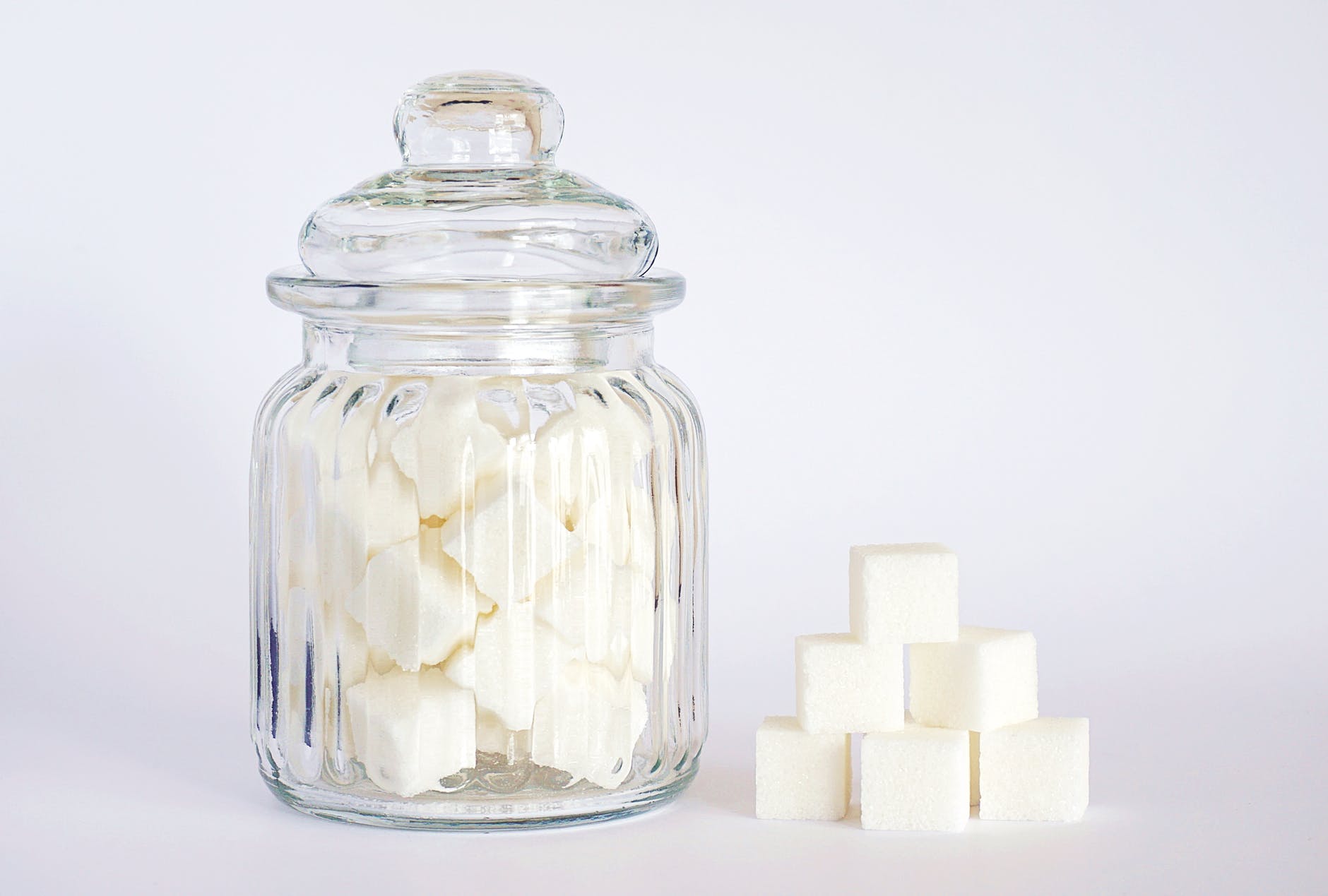
Simple Carbohydrates
One or two molecules of sugar linked together. Such as Glucose, Fructose, Sucrose, etc. Rapidly digested, these sugars are absorbed in the first portion of the small intestine, causing blood sugar to rise quickly. These simple sugars refined from plant foods, with all the fiber and phytonutrients taken away, are the carbohydrates we need to avoid.
Complex Carbohydrates
Long chains of simple sugars bonded together, think thousands and 10’s of thousands, these starches form some of the largest molecules found in nature. Much slower to digest combined with the protein, fiber, fats, and phytonutrients found in natural plant foods. Complex carbohydrates should form the bulk of a persons diet.


Very Complex Carbohydrates
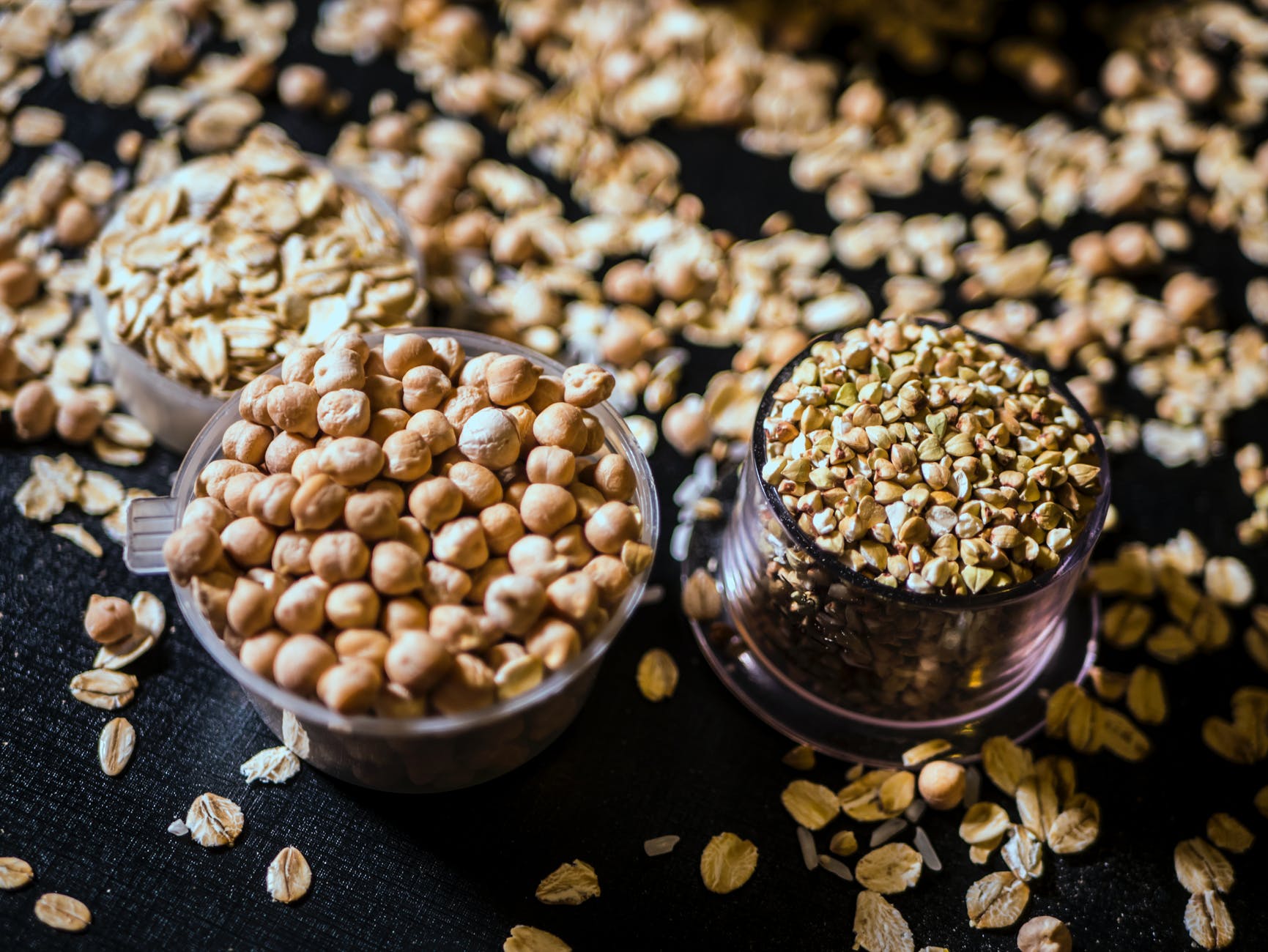
Resistant starches are chains of sugars that are so long and complex that they are not fully digested in the small intestine. These starches enter the large intestine feeding our healthy gut bacteria, creating better satiety, and lowering blood cholesterol and fats. Foods with significant levels of resistant starch such as legumes produce slow rise in blood sugar.
Soluble Fiber
This fiber dissolves in the fluid of our gut, forming a liquid similar to honey; it is the primary food source for our friendly gut bacteria, which covert it into small molecules that provide energy and benefit the colon cells. We need soluble fiber for a healthy gut.

Insoluble Fiber
Cellulose, the primary insoluble fiber found in plant food, is not broken down by gut bacteria but absorbs water and functions as a bulking agent, effectively eliminating constipation if a person is well hydrated. On the Bristol Stool chart, Insoluble fiber and good hydration keep us at a 3-4.
 Eat More Plants!